Key Takeaways
- Water treatment plants remove impurities like chemicals, bacteria, and suspended particles to make water safe for use.
- Clean water supports public health by reducing the risk of waterborne diseases.
- Industries depend on treated water for production, cooling, and cleaning processes.
- Water treatment helps protect the environment by reducing pollution in rivers and lakes.
- Reusing treated water supports conservation and promotes sustainable water management.
Clean and safe water plays a critical role in public health, industrial growth, and environmental sustainability. With rapid urbanization, population growth, and industrial activities, the demand for advanced water purification systems continues to rise. A water treatment plant transforms contaminated or untreated water into clean, usable water for residential, commercial, and industrial purposes. These systems remove harmful contaminants, balance water chemistry, and make water suitable for consumption or reuse.
Modern businesses and communities rely on professional solutions that manage water responsibly and efficiently. Companies like Neer Tech provide advanced solutions designed to support sustainable water usage and reliable purification processes. Understanding how water treatment plants work, their benefits, and why they are essential helps industries and communities make informed decisions about water infrastructure.
Understanding a Water Treatment Plant
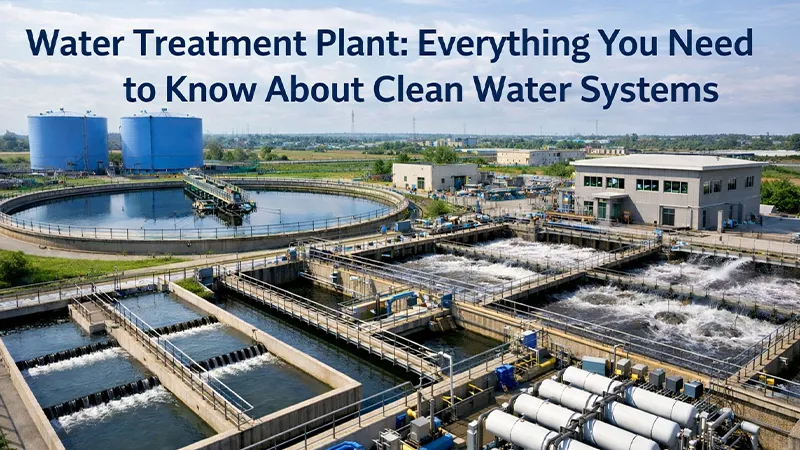
A water treatment plant is a plant that is used to treat water to eliminate the impurities that may be present in the water which may include suspended solids, chemicals, microorganisms among other things. The primary objective is to turn raw water into water that is of the standard, which is required by the regulations of safe use. Water may either source out of numerous types like rivers, lakes, ground water or even industrial discharge. This water can be polluted by harmful substances that can influence human health and the environmental ecosystem without appropriate treatment.
A water management plant which is professionally designed deals with a number of processes that enhance the quality of water. These processes involve: filtration, sedimentation, chemical treatment and disinfection. Proper system will enable reuse of water to undertake industrial activities, farming and even drinking with the level of treatment.
Why Water Treatment Systems Are Important
Clean water promotes human life, economic development and environment stability. An appropriately constructed water treatment system has several advantages.
- Protecting Public Health: Water that is not treated has the possibility of bacteria, viruses, parasites, and toxic chemicals. Such pollutants can cause health complications and waterborne diseases. A water treatment facility eliminates dangerous chemicals and enhances water purification to the households and society.
- Supporting Industrial Operations: Most of the industries use water in their production, cooling, cleaning and production. A good water management plant offers treated water that is used in industries and avoids damage of equipment due to impurities.
- Environmental Protection: Water treatment allows pollution being deposited into rivers, lakes and oceans. The industries that provide purification systems minimize the negative discharge and help to maintain cleaner ecosystems.
- Water Conservation: The problem of water scarcity is becoming a significant issue throughout the world. One can use treated water to irritate in industries and to cool down. Companies in need of a water treatment plant in my area usually resort to water reuse techniques to curtail the use of fresh water.
Major Components of a Water Treatment Plant
A modern water treatment system includes several stages that work together to purify water. Each stage targets different types of contaminants.
- Intake and Screening: Raw water enters the treatment process. Screening equipment is used to remove large debris like leaves, plastic or even stones. This phase prevents the destruction of downstream treatment machinery.
- Coagulation and Flocculation: During coagulation, chemicals are added to water to neutralize suspended particles. These particles combine to form larger clusters called flocs. The flocculation process allows these clusters to grow large enough to settle during the next stage. A properly designed water management plant optimizes this stage to improve sediment removal and reduce chemical usage.
- Sedimentation: Sedimentation enables the particles of floc that are heavier to settle at the bottom of a tank under the influence of gravity. This step plays a major role in eliminating suspended solids in water prior to filtration.
- Filtration: Small particles which are left behind during sedimentation are removed by filtration. Impurities are suspended by sand filters, multimedia filters or membrane filtration system and make the water clean. When a water treatment plant is situated in my area, industries usually prefer to install high-level filtration technologies to have higher purification efficiency.
- Disinfection: Disinfection gets rid of dangerous microorganisms. Common methods used in disinfection include chlorination, ultraviolet treatment and ozone treatment. This step eliminates any microbial contamination and renders water safe in conducting different activities.
- Storage and Distribution: Clean water is then stored in tanks or reservoirs after treatment then distributed. The correct storage systems also ensure that the water remains in good condition until it is discharged to the consumers or to the processing industries.
Benefits of Installing a Water Treatment Plant
Investing in a water treatment system provides long-term benefits for businesses and communities.
- Improved Water Quality: Treatment systems remove contaminants and produce water that meets safety and regulatory standards.
- Reduced Operational Costs: Recycling and reusing treated water lower freshwater consumption and reduced water procurement expenses.
- Environmental Responsibility: Proper wastewater treatment prevents pollution and protects natural water bodies.
- Regulatory Compliance: Industries must comply with environmental regulations related to water discharge. Installing a water management plant helps businesses meet compliance standards.
- Sustainable Water Usage: Water treatment systems support sustainable resource management by enabling water reuse and minimizing waste.
Why Choose Us
Neer Tech focuses on delivering reliable water purification solutions designed for industrial and commercial needs. The company develops advanced treatment systems that combine modern technology, practical engineering, and efficient process design. Neer Tech works closely with clients to understand their water challenges and provide customized treatment solutions that align with operational requirements. With strong technical expertise, high-quality equipment, and a commitment to sustainable water practices, Neer Tech supports businesses in improving water quality, reducing environmental impact, and building efficient water management plant systems that perform consistently over time.
Conclusion
A water treatment plant plays a vital role in delivering clean, safe, and usable water for communities and industries. From removing contaminants to supporting water reuse, these systems contribute to sustainable water management and environmental protection. As water demand continues to grow, advanced treatment technologies help organizations maintain reliable water supply while reducing pollution and conserving natural resources. Businesses investing in professional treatment solutions gain long-term operational advantages and improved water efficiency. Companies like Neer Tech provide specialized expertise and modern purification systems that help industries and communities adopt responsible water management strategies for a cleaner and healthier future.
Looking for expert guidance on installing a water treatment plant? Call +917984377525 or email [email protected].