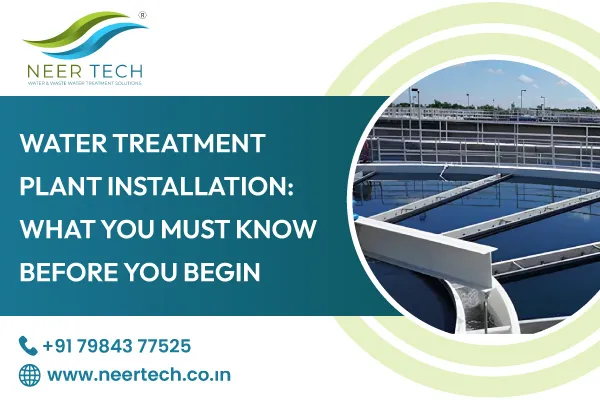
Water is the backbone of every industry and community. Proper treatment and management of water resources have become increasingly critical for sustainable development and operational efficiency. For industries, municipalities, and commercial facilities, installing a Water treatment plant is a vital step toward ensuring safe, clean, and reusable water. Whether your requirement is for Industrial water treatment or a precise RO water treatment system, understanding the installation process, key considerations, and long-term benefits is essential.
Understanding the Importance of Water Treatment Plants
A Water treatment plant is not just a facility that filters water; it is an engineered system designed to treat, purify, and recycle water for a variety of applications. In industrial settings, untreated water can damage equipment, reduce product quality, and lead to environmental compliance issues.
Industrial water treatment addresses contaminants such as suspended solids, dissolved salts, chemicals, and microorganisms. A properly installed RO water treatment system further removes impurities, making water safe for drinking, processing, or reuse within the plant.
Key Benefits of a Water Treatment Plant
- Consistent Water Quality: Guarantees uniform water standards across operations.
- Cost Savings: Reduces water procurement and operational costs through recycling and reuse.
- Environmental Compliance: Helps industries meet regulatory standards for effluent discharge.
- Operational Efficiency: Minimizes scaling, corrosion, and damage to machinery from untreated water.
- Sustainability: Promotes responsible water management and conservation practices.
Planning Your Water Treatment Plant Installation
Before initiating the Water treatment plant installation, careful planning is critical. Key considerations include:
- Water Source Analysis: Conduct a detailed study of your water’s physical, chemical, and microbial composition.
- Volume and Flow Requirements: Understand your daily water consumption and peak usage requirements.
- Treatment Goals: Decide whether the system is for potable water, industrial processes, or wastewater reuse.
- Space and Layout: Allocate adequate space for equipment, pipelines, and maintenance access.
- Technology Selection: Choose between RO, UF, chemical dosing, or hybrid systems based on your water quality and industrial needs.
- Regulatory Compliance: Align with local, state, and national environmental and health regulations.
- Budget and ROI: Factor installation, operational, and maintenance costs against expected savings and efficiency gains.
Step-by-Step Installation Process
A Water treatment plant installation follows several key stages to ensure optimal performance:
- Site Preparation: The installation area is leveled and cleared. Proper foundations are laid to support heavy equipment, tanks, and filtration units.
- Equipment Setup: Main components such as RO water treatment system, pumps, storage tanks, and chemical dosing units are installed according to design specifications.
- Piping and Connectivity: All inlets, outlets, and internal piping systems are connected. Valves and flow meters are installed to manage and monitor water movement.
- Electrical and Control Systems: Automation systems, sensors, and control panels are integrated to monitor operational parameters and maintain consistent water quality.
- Testing and Commissioning: The plant undergoes rigorous testing to verify water quality, system efficiency, and compliance with safety and environmental standards.
- Training and Handover: Plant operators are trained to manage day-to-day operations, conduct preventive maintenance, and troubleshoot minor issues.
Industrial Water Treatment Considerations
Industries face specific challenges when it comes to Industrial water treatment:
- High Contaminant Load: Manufacturing effluents often contain heavy metals, oils, and chemicals.
- Variable Water Quality: Fluctuating water quality requires adaptive treatment processes.
- Recycling Requirements: Many industries aim to reuse water in production processes.
- Regulatory Compliance: Stricter discharge regulations require efficient treatment processes.
Maintenance and Longevity
Maintaining a Water treatment plant is vital for consistent performance:
- Regular cleaning and replacement of RO membranes
- Monitoring chemical dosing levels
- Preventive maintenance of pumps and pipelines
- Periodic water quality testing
- Scheduled inspection of filtration units
Why Choose Neer Tech?
Selecting Neer Tech for your Water treatment plant installation brings expertise, precision, and personalized solutions. Our team designs each Industrial water treatment system and RO water treatment system with a focus on performance, compliance, and cost-effectiveness. With years of industry experience, we offer solutions that address complex water challenges, reduce operational costs, and promote sustainable practices. From planning and installation to training and maintenance, Neer Tech ensures your water treatment system functions flawlessly, providing peace of mind and long-term value.
Conclusion
Installing a Water treatment plant is a strategic investment for industries, municipalities, and commercial facilities aiming for clean, safe, and sustainable water. By considering factors like water quality, treatment objectives, space, and regulatory compliance, you can select a system that maximizes efficiency and cost savings. With customized Industrial water treatment solutions and advanced RO water treatment systems, Neer Tech offers reliable, long-lasting, and environmentally responsible water management solutions. Proper installation, monitoring, and maintenance ensure your plant delivers optimal results, protecting resources and boosting operational efficiency for years to come.
For expert guidance on Water treatment plant and advanced Industrial water treatment solutions, contact us at +91 7984377525 or email [email protected] to discuss your project today.