Clean and safe drinking water is not the type of luxury, it is the key to healthy living, economic development, and sustainable communities. As urbanization, the development of industry, and population pressure intensify, the threats of natural water source contamination continue to grow. Here the decisive part is taken by modern water treatment solutions. A specially developed water treatment facility assists in the removal of the physical, chemical and biological contaminants in raw water, to obtain water that is fit to the human consumption and industry. Neer Tech focuses on hi-tech water purification systems that help households, commercial premises, and industries to obtain quality water. Knowledge of the functioning of water treatment plants and their necessity may make people and organizations make right decisions regarding water safety, the necessity to invest in infrastructure, and long-term health security.
Understanding the Need for Water Treatment Plants
Natural (water) resources like rivers, lakes, and ground water are usually polluted with bacteria, viruses, heavy metals, dissolved salts, and industrial wastes. Upon intake of untreated water, the health of the individual may be severely affected due to illnesses such as gastrointestinal infections, waterborne diseases and toxic chronic exposures. Water treatment plant serves as a control system that separates polluted raw water and final consumers. It involves scientifically engineered procedures in order to eliminate toxic substances and preserve vital minerals. When individuals encounter such problems as poor taste, smell or hazardous microbial water contamination, many of them seek a water treatment plant close to them. This rising demand is a sign of the rising awareness concerning the quality of water and its effects on health.
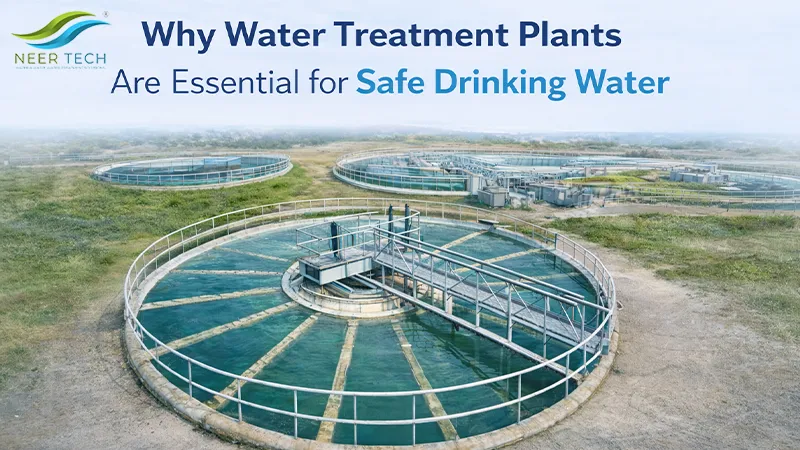
How Water Treatment Plants Work
Water treatment plants follow a systematic process to transform raw water into clean, usable water. Every stage contributes significantly to the enhancement of water quality.
- Screening and Pre-Treatment: The first screening process removes large debris like leaves, plastics, and sediments. This step protects downstream equipment and boosts overall process efficiency.
- Coagulation and Flocculation: Chemical coagulants bind fine particles into larger clusters called flocs, which settle more easily and allow contaminants to separate from the water.
- Sedimentation: Heavy flocs settle to the bottom of sedimentation tanks, greatly reducing turbidity and suspended solids.
- Filtration: Water passes through sand, gravel, or membrane filters. A well-designed water filtration plant removes remaining particles, bacteria, and microorganisms, making the water safer and clearer.
- Disinfection: Disinfection destroys residual pathogens. Common methods include chlorination, ultraviolet (UV) treatment, or ozonation, chosen according to the required water quality.
Importance of Water Treatment Plants for Public Health
Direct effects of safe drinking water on community health. Bacteria, viruses or even chemicals that contaminate water causes disease outbreak and chronic diseases. Water treatment plants avoid such risks by ensuring that there are high quality standards. Treatment facilities are used to provide homes, hospitals, schools, and work places with clean water provided by municipal and private water systems. When people are seeking water treatment plants around me, they usually seek reliable solutions to keep the family and employees safe against water-related diseases.
Role of Water Treatment Plants in Industrial Applications
Manufacturing, cooling, processing, and cleaning are all processes that require water of certain quality in industries. Water that is not treated might destroy machines, lower the quality of products, and raise the cost of maintenance. An integrated water catchment system sustains the industries with a customized water filtration plant that supplies water that is of standard quality. Industries including pharmaceuticals, food processing, textiles and power production rely on stable water treatment systems in order to achieve productivity and regulatory adherence. Neer Tech develops industrial level solutions that are performance and efficiency balanced together with stability in operation.
Environmental Benefits of Water Treatment Plants
Water treatment plants also help in conserving the environment through the minimization of release of pollution into the natural ecosystem. Pre-treatment of water reduces the amount of toxic chemicals and microorganisms released into rivers and soils. There is also recycling and reuse of treated water which limits freshwater extraction. Other organizations consider the cost of water treatment plants against the long term environmental and operational savings. Sustainable water management helps in achieving goals of regulatory compliance and corporate responsibility.
Factors Affecting Water Treatment Plant Cost
This knowledge of the cost of water treatment plants can aid the buyer to plan budgets and making the right selection of systems. Overall investment is dependent on a few factors:
- Source Water Quality: The water that is highly polluted needs sophisticated levels of treatment.
- Capacity Requirements: Bigger plants need more investment in infrastructure.
- Technology choice: Traditional filtration plants vary in price with respect to membrane-based or automated plants.
- Installation and Maintenance: Long-term costs are influenced by the situation on the site, workforce, and service maintenance.
Although the cost of first generation water treatment plants is not the same, quality systems can be found to be of value in terms of durability, performance as well as less impact of disruptions in the operations. Neer Tech concentrates on affordable design which conforms to customer satisfaction and does not undermine water quality.
Choosing the Right Water Filtration Plant
The right choice of the water filtration plant requires knowledge of water quality-related issues and needs of use. A residential installation will be different to an industrial or commercial installation.
- Daily water consumption
- Contaminant profile
- Compliance standards
- Energy efficiency
- Maintenance support
A large number of the customers who want a water treatment plant in the area that I am searching want suppliers who will provide consultation, customization, and post-installation services. Neer Tech offers full service, including analysis to commissioning.
Why Water Treatment Plants Are a Long-Term Investment
Health, productivity and sustainability and investment in a water treatment plant sponsor is sustainable. Clean water saves on medical bills, preserves equipment and enhances lives. Companies that are more concerned about water treatment enjoy a smooth running business and regulatory goodwill. The advantages of water treatment plants are usually long-term as opposed to the initial cost. Treated water enhances customer trust, employee and community trust, and helps in responsible management of water.
Why Choose Us
Neer Tech is a reliable partner of choice in the field of water treatment solutions due to its technical knowledge, tailor systems design and adherence to quality. The firm will work on comprehending customer needs and then proposing solutions which will be reliable water treatment plants based on the usage needs, compliance requirement and operational objectives. Having a vibrant focus on innovation, post sales services and an open channel of communication, Neer Tech nurtures a long-term relationship instead of a one-time deal. Neer Tech is preferred by clients because of reliable performance, expert advice and water treatment services which achieve health, efficiency, and sustainability.
Conclusion
Water treatment plants are very important in safeguarding the health of the people, promoting industrial development, and maintaining environmental equilibrium. These systems provide the foundation of the water infrastructure in the modern world through the elimination of the harmful contaminants and the providing of the uniform water quality. The appropriate selection of a water treatment solution requires knowledge of the issues of water quality, capacity requirements, and the value of the long-term operation. Having a professional design and quality technology, water treatment plants will be a long term investment and not a costly short term price. Neer Tech still helps other communities and industries to achieve proper treatment of water to ensure safe, clean, and reliable access to water.
Seeking professional advice on the reasons Why Water Treatment Plants Are Necessary to Safe Drinking Water? Call +917984377525 or email [email protected].
Key Takeaways
- Essential for Public Health. Water treatment facilities eliminate physical, chemical, and biological pollutants to ensure safe drinking water for communities, households, and workplaces while preventing waterborne diseases.
- Favors Industrial Activities. Industrial-grade water treatment assures the quality of water used in manufacturing, cooling, processing, and cleaning, protecting equipment, maintaining product quality, and meeting regulatory requirements.
- Sustainability and Environmental Conservation. Repurposing and treating water decreases pollution, reduces freshwater extraction, and supports responsible water management for long-term environmental protection.
- Cost Savings in the Long Run and Reliability. Although initial costs vary, water treatment plants save on medical, maintenance, and operational expenses, making them cost-effective and sustainable.
- Personalized Solutions for Best Performance. Choosing the right water filtration plant depends on source-water quality, intended use, and regulatory standards; expert consultation delivers efficient, reliable, and scalable systems for residential and industrial applications.